Elaine May's The Heartbreak Kid (1972): A Hilarious & Hurtful Satire of Love and Self-Delusion
In the vast landscape of cinematic romantic comedies, few films dare to delve into the darker, more uncomfortable truths of human desire and ego with the audacious brilliance of Elaine May's The Heartbreak Kid 1972. Far from a conventional love story, this critically acclaimed film is a masterclass in satire, skillfully blending uproarious comedy with a cutting, often painful, examination of impulsivity, self-absorption, and the relentless pursuit of an idealized, often unattainable, version of happiness.
Starring Charles Grodin as the hopelessly narcissistic Lenny Cantrow, Jeannie Berlin as his sweet, if somewhat unrefined, new bride Lila, and Cybill Shepherd as the alluring Kelly Corcoran, the film wastes no time in establishing its disquieting premise. Audiences are immediately plunged into the whirlwind of Lenny's ill-fated honeymoon, where a severe case of sunburn and a handful of irritating idiosyncrasies are enough to send him on a sudden, desperate quest for what he believes is "the real thing." What follows is a journey that is as cringe-inducingly funny as it is profoundly unsettling, solidifying The Heartbreak Kid 1972 as a timeless, albeit uncomfortable, classic.
The Unconventional Genius of Elaine May and Neil Simon
The unique, often jarring, tone of The Heartbreak Kid 1972 is a direct result of the extraordinary talents behind its creation. Director Elaine May, a formidable figure in American comedy and filmmaking, brings her distinctive observational style and uncanny ability to find humor in human awkwardness and discomfort. From the film's opening wedding scene, where Lila's parents comically struggle to navigate a cramped living room aisle, May establishes a world where mundane situations quickly veer into the absurd and pathetic.
This vision is perfectly complemented by the screenplay penned by the legendary Neil Simon, adapted from Bruce Jay Friedman's story "A Change of Plan." While Simon is renowned for his witty dialogue and Broadway hits, his collaboration with May here produces something sharper, more cynical, and profoundly insightful. Together, May and Simon transform a seemingly simple premise – a man falling for another woman on his honeymoon – into a vehicle for biting social commentary. They craft a narrative that makes audiences laugh nervously while simultaneously confronting uncomfortable truths about human nature. It's a testament to their combined genius that they could make such a hurtful situation feel both hilarious and painfully true, particularly in how it dissects the violence we inflict upon one another through our egos and unexamined desires.
The film's impact was not lost on critics and award committees. In 1973, it garnered multiple prestigious nominations:
- Academy Awards:
- Nomination for Best Actor in a Supporting Role (Eddie Albert, as Kelly's father)
- Nomination for Best Actress in a Supporting Role (Jeannie Berlin, as Lila)
- Golden Globes:
- Nomination for Best Actor in a Motion Picture – Comedy or Musical (Charles Grodin)
- Nomination for Best Supporting Actress in a Motion Picture (Jeannie Berlin)
- Nomination for Best Screenplay – Motion Picture (Neil Simon)
These accolades underscore the film's powerful performances and its incisive screenplay, proving its enduring quality beyond mere comedic entertainment.
Lenny, Lila, and Kelly: A Trio of Heartbreak and Hypocrisy
At the heart of The Heartbreak Kid 1972 are its three central characters, each meticulously crafted to embody different facets of vulnerability, delusion, and superficiality.
Lenny Cantrow: The Egotist on a Quest for the Unattainable
Charles Grodin's portrayal of Lenny Cantrow is nothing short of masterful. Lenny is introduced as a newlywed, yet his initial enchantment with Lila rapidly dissolves into maddening irritation during their Miami Beach honeymoon. Her harmless quirks – a tendency to smear egg salad, repetitive singing – quickly become intolerable. When Lila is confined to their hotel room with a severe sunburn, Lenny's "alone time" on the beach leads to a fateful encounter with Kelly Corcoran. Instantly convinced this is his "destiny," Lenny embarks on a shockingly swift and callous plan to abandon his marriage for this new obsession.
Lenny is a blunt object of egotism, desire, and upward mobility. He doesn't seem to believe in a conventional, enduring love; instead, he's driven by the acquisition of inaccessible goals. Kelly, with her "blond Nordic goddess" allure and wealthy background, represents a trophy, a step up, rather than a genuine connection. His pursuit of her is less about love and more about fulfilling an idealized image of himself and his aspirations. For a deeper dive into his motivations, consider The Heartbreak Kid 1972: Unpacking Lenny's Egotism and Kelly's Allure.
Lila Kolodny: The Unwitting Victim
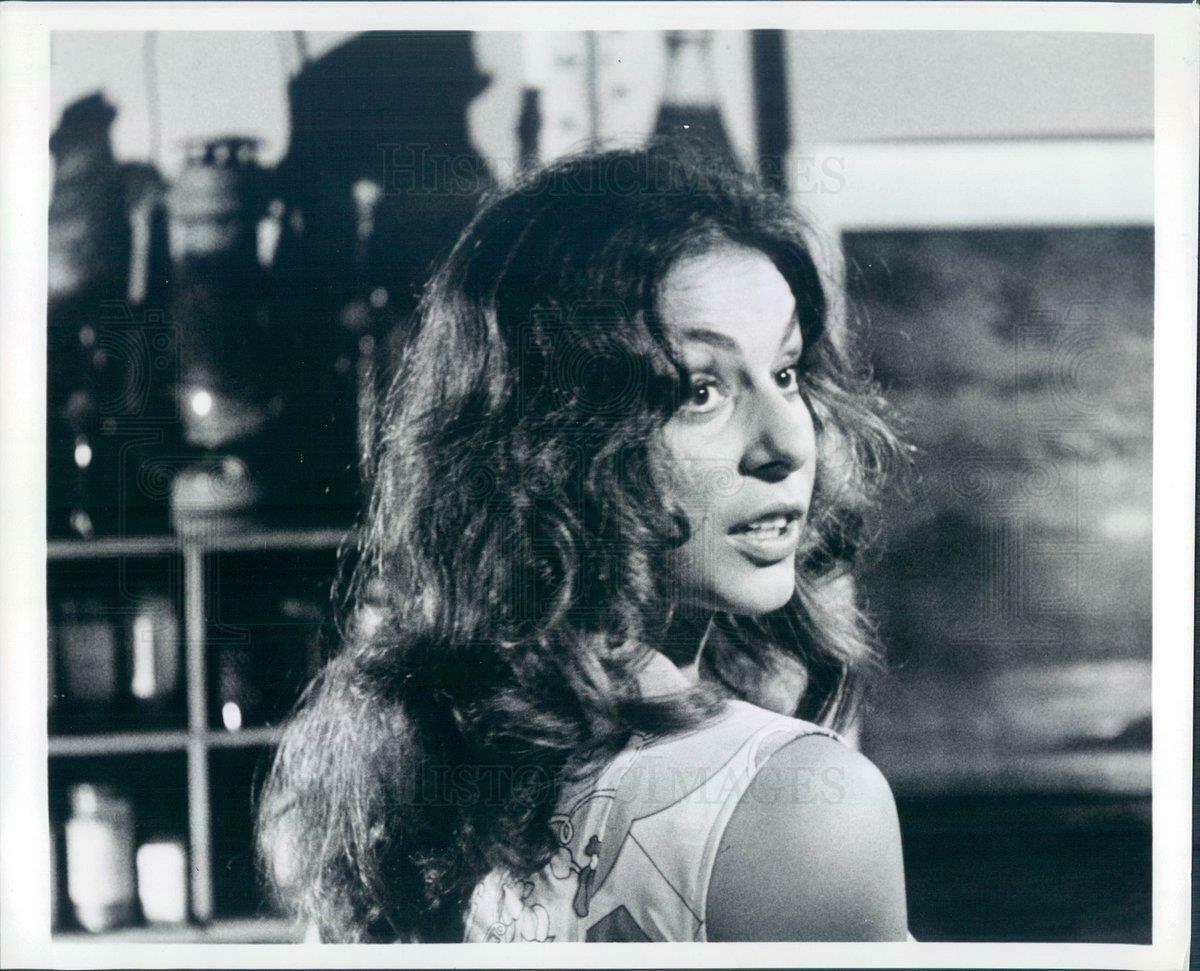
Jeannie Berlin's performance as Lila is heartbreakingly authentic. Lila is portrayed as a kind, if unsophisticated, woman deeply in love with Lenny. Her greatest crime, in Lenny's eyes, appears to be her everyday humanity – her little habits, her vulnerability. She is the "poor nebbish" who, as one critic observed, "does violence only to egg salad." Her painful sunburn, which ironically facilitates Lenny's betrayal, makes her an even more poignant figure of undeserved suffering. Lila is the film's moral compass, highlighting the cruelty of Lenny's actions through her genuine, if often awkward, affection. To understand the gravity of his actions, explore The Heartbreak Kid 1972: Lenny's Shocking Honeymoon Betrayal.
Kelly Corcoran: The Object of Desire and Its Own Prisoner
Cybill Shepherd embodies Kelly Corcoran with an almost ethereal beauty and an air of untouchable allure. Kelly is a "blond Nordic goddess" from Minnesota, surrounded by admirers and accustomed to "twisting men around her little finger." Yet, beneath the surface of this seemingly perfect, unapproachable beauty, there's a nuanced depth. She has a rich daddy, husky athletes to carry her books, and everything money can buy, but as Roger Ebert keenly observed, "inside, she hungers for love more, even, than Lenny." Her teasing and taunting of men might be a defense mechanism, a way to cope with being seen as an object rather than a person. She represents the ultimate, elusive prize for Lenny, a symbol of the unattainable he compulsively chases.
Beyond the Laughter: Social Commentary and Lasting Impact
The Heartbreak Kid 1972 is far more than a dark comedy; it's a profound piece of social commentary that skewers the romantic myths and societal pressures of its time, which remain eerily relevant today. The film brilliantly satirizes:
- The Consumerist Approach to Relationships: Lenny treats marriage and partners like commodities, constantly searching for the "better deal" or the "upgrade," discarding Lila with shocking ease once a more appealing option presents itself.
- Ego and Self-Delusion: The film masterfully exposes how our own egos and unexamined desires can blind us to reality and inflict pain on others. Lenny's conviction that Kelly is his "real thing" is a powerful delusion, driven more by his aspirations than by any genuine connection.
- The Idealization of Love: It critiques the notion that love should always be a whirlwind of passion and perfection, ignoring the complexities, compromises, and acceptance of flaws that true partnership requires.
- Upward Mobility: For Lenny, Kelly isn't just a beautiful woman; she's a symbol of a higher social stratum, a wealthier, more sophisticated life he aspires to. His pursuit is as much about status as it is about supposed romance.
The genius of May and Simon lies in their ability to make us laugh while these uncomfortable truths hit home. The film doesn't preach; it observes, allowing the audience to witness Lenny's escalating absurdity and the collateral damage he leaves in his wake.
Why The Heartbreak Kid (1972) Still Resonates Today
Decades after its release, The Heartbreak Kid 1972 continues to be a chillingly relevant film, offering insights that feel particularly poignant in our modern world:
- The Grass-is-Greener Syndrome: In an era of endless dating apps and perceived unlimited choices, Lenny's impulsive dismissal of Lila for someone he perceives as "better" resonates strongly. The film cautions against the endless pursuit of an idealized, flawless partner, reminding us that genuine connection often lies in accepting imperfections.
- Superficiality vs. Substance: Lenny's immediate attraction to Kelly is purely superficial, based on her looks and perceived status. The film implicitly challenges us to look beyond surface appeal and consider what truly constitutes a meaningful relationship.
- The Dangers of Impulsivity: Lenny's rash decisions highlight the profound consequences of acting on fleeting desires without self-reflection or consideration for others. This serves as a cautionary tale for anyone making significant life choices based purely on infatuation.
For those navigating the complexities of modern relationships, The Heartbreak Kid 1972 offers some unexpected, if stark, practical takeaways:
- Prioritize Self-Reflection: Before making major life changes, especially in relationships, take time to understand your true motivations. Are you chasing a fantasy or a genuine connection?
- Value Communication: Lenny's relationship with Lila collapses partly due to a lack of genuine communication and understanding. Open dialogue is crucial for navigating differences and addressing issues.
- Embrace Imperfection: True love often means accepting and even cherishing a partner's unique idiosyncrasies, rather than being repelled by them.
- Look Beyond the Surface: Recognize that true connection is built on shared values, understanding, and mutual respect, not just outward appearance or perceived status.
Conclusion
Elaine May's The Heartbreak Kid 1972 remains a searing, unforgettable satire that brilliantly dissects the frailties of human nature and the often-absurd pursuit of love. With its impeccable performances, sharp writing, and May's unique directorial vision, it manages to be both hilariously funny and deeply uncomfortable, leaving a lasting impression. It's a film that bravely explores the uncomfortable space where comedy edges into tragedy, prompting audiences to question their own romantic ideals and the often-selfish impulses that drive human connection. For anyone seeking a film that challenges, entertains, and provokes thought in equal measure, The Heartbreak Kid 1972 is an essential watch, a timeless testament to the power of cinematic satire.